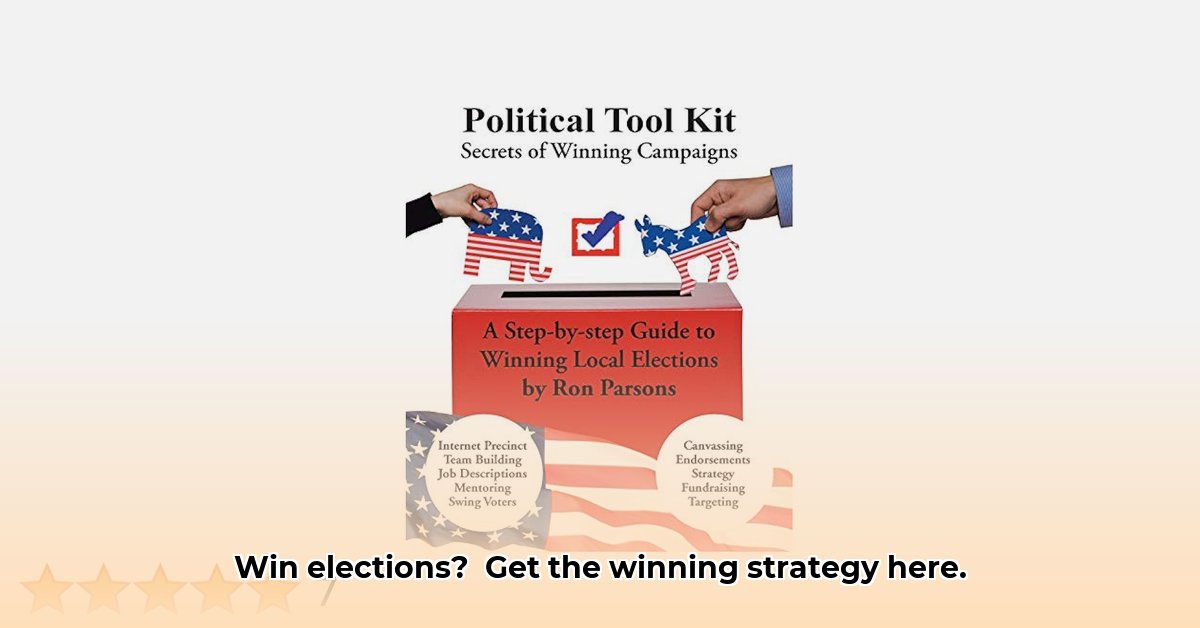
Winning elections isn't about luck; it's about strategy. This guide blends tried-and-true tactics with cutting-edge digital strategies to give you a winning edge, regardless of your experience. We’ll explore real-world examples, actionable steps, and crucial risk mitigation, ensuring you have the tools to build a successful campaign. For more campaign resources, check out this helpful guide: Campaign Resources.
Building Your Foundation: Laying the Groundwork for Victory
Before launching your campaign, a solid foundation is critical. This isn't about glamorous speeches; it's about planning. Think of it like building a house – you wouldn't start constructing walls without a blueprint. What are your resources? Who's on your team? What's your budget? Honest answers to these questions are crucial for success.
- Resource Assessment: Thoroughly inventory your financial resources, volunteer base, and existing networks. A realistic assessment prevents costly mistakes down the line.
- Team Building: Assemble a skilled team with diverse expertise – communications, fundraising, digital strategy, field organizing, etc. A well-oiled machine runs smoother and more efficiently.
- Strategic Planning: Develop a comprehensive campaign plan outlining your goals, target audience, messaging, and timeline. This serves as your roadmap to victory.
Reaching the Right People: Targeted Outreach for Maximum Impact
Don't waste resources trying to appeal to everyone. Focus your efforts on your ideal voters. Who are they? Where do they live? What are their concerns? Data-driven targeting maximizes your impact. It's like using a laser beam instead of a shotgun – precise, effective, and efficient.
"Targeted outreach is crucial; wasting energy on unpersuadable voters is a costly mistake," says Dr. Anya Sharma, Professor of Political Science at Stanford University. Focusing your time and money on persuadable voters makes all the difference. For instance, if you're targeting urban voters, you'll adjust your messaging around issues like public transportation and affordable housing.
Crafting a Winning Message: Resonance and Recall
Your message needs to be concise and memorable. What sets your candidate apart? Why should voters choose them? Tell a compelling story, emphasizing personal experiences and shared values to build a powerful connection. A memorable narrative transcends policy details.
Consider the successful campaign of Alexandria Ocasio-Cortez. Her message resonated with younger voters, highlighting issues of climate change and economic inequality. She successfully used compelling storytelling to make her message widely acceptable.
Conquering the Digital Landscape: Online Engagement and Influence
A strong online presence is no longer optional—it's essential. Use social media, your website, and email to connect with voters, engage in discussions, and build a community. The internet offers unprecedented reach and interactive capabilities; however, it also requires a sustained effort and strategic planning.
- Social Media Strategy: Craft engaging content that's easily shareable and aligned with your overall messaging. Engage with voters directly, respond to comments, and participate in relevant online discussions.
- Website Optimization: Ensure your website is user-friendly, informative, and mobile-responsive. It should serve as a central hub for all campaign information.
- Email Marketing: Use email to directly communicate with supporters, share updates, and mobilizing voters to action. A well-defined email strategy is essential for ensuring successful email outreach.
The Human Touch: Connecting Face-to-Face
While the digital world is crucial, never underestimate the power of personal interaction. Door-knocking, town halls, and community events build trust and establish genuine connections with voters. These face-to-face encounters are invaluable, fostering relationships that go beyond digital interactions.
Remember the success of grassroots campaigns. The personal touch of volunteers talking with potential voters still is an invaluable element of a successful campaign today. Their human-to-human interaction is crucial for campaign success.
Leveraging Data for Strategic Advantage: Analytics and Decision-Making
Data is your ally. Analyze voter demographics, track campaign performance, and adapt your strategy accordingly. Use this data to refine your messaging and target your efforts more precisely. The insights gleaned from data analysis provide a valuable competitive edge.
Data analysis can point to which parts of your strategies are effective, and which parts could be improved. Tracking this data allows you to effectively adjust your campaign to get the most impact out of your available resources.
Risk Management: Anticipating and Addressing Challenges
Unexpected setbacks are inevitable. Develop contingency plans to handle negative press, online crises, or any unforeseen circumstances and demonstrate your flexibility as a candidate. A well-prepared candidate is less likely to be caught off-guard by such issues.
For example, a well-defined crisis communication plan should include pre-prepared statements for common types of media crises, and contact information for campaign staff. This plan will help you respond effectively to negative events and ensure the campaign maintains its momentum.
The Long Game: Building Lasting Relationships
Winning the election is only the beginning. Sustained engagement with voters after the election builds lasting relationships and lays the groundwork for continued success. This ongoing interaction strengthens your credibility and reinforces community ties.
Regular newsletters, town halls, and community involvement maintain a consistent connection with voters, proving that you prioritize their needs and concerns. This type of ongoing relationship builds a strong voter base that will support your future political endeavors.
Actionable Steps: Your Campaign Checklist
- Pre-Campaign: Develop a comprehensive plan, secure funding, build your team (allocate 60% of budget to outreach, 40% to traditional methods).
- Campaign Launch: Begin targeted outreach, launch online campaigns, initiate community engagement.
- Mid-Campaign: Analyze data, refine your messaging, manage crises, and adapt your strategy (review analytics and adjust your online spending based on performance).
- Election: Maximize voter turnout, address any challenges, deploy backup strategies (run parallel traditional and digital efforts).
- Post-Election: Maintain voter engagement, analyze results, and prepare for future campaigns (transition from campaign mode to community engagement mode).
This guide offers a framework. Adapt it to your unique circumstances. Remember, successful campaigns are adaptable, data-driven, and centered on building strong relationships with voters.